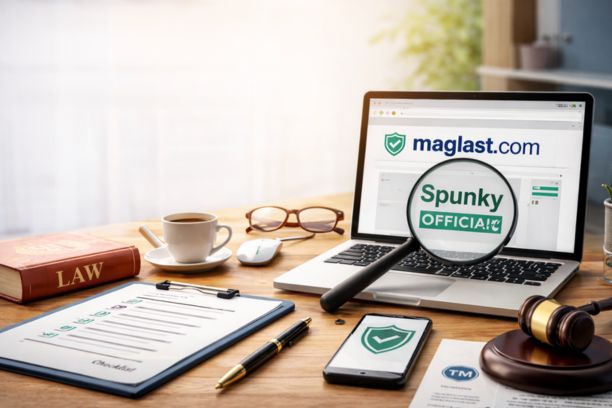
maglast.com Spunky Official: Legal Status & Website Verification Guide (2026)
When users search for “maglast.com spunky official”, they are usually trying to answer one key question:
Is maglast.com the official and legally authorized website connected to “Spunky”?
This article provides a neutral, legal-focused analysis of how to verify whether a website is official, how trademark law applies, and what risks may exist when using unofficial platforms.
Disclaimer: This article is for informational purposes only and does not constitute legal advice. Readers should independently verify any claims through official trademark databases or consult a qualified attorney.
Understanding the Search Intent Behind “maglast.com Spunky Official”
Search queries that combine a domain name with the word “official” typically indicate:
- Users want to verify authenticity
- Users are concerned about copyright or trademark legitimacy
- Users want to avoid scams or impersonation
- Users are unsure whether a site is affiliated with a brand
In the digital era, domain names can be registered by individuals or organizations without automatically granting trademark rights. That is why verifying legal status is important before assuming a website is “official.”
What Is maglast.com?
From a legal perspective, a domain like maglast.com is simply an internet address registered through an accredited registrar under policies overseen by the ICANN.
However, owning a domain does not automatically mean owning trademark rights to a name or brand referenced on that domain.
There are three separate legal layers to understand:
- Domain registration – Controlled through ICANN-accredited registrars
- Trademark ownership – Controlled by national or international trademark authorities
- Copyright ownership – Protects creative works (images, videos, text, etc.)
A website may exist legally as a domain, yet still not be officially authorized to use a particular brand name.
What Does “Spunky Official” Legally Mean?
The term “official” has no automatic legal protection on its own. However, it implies:
- Authorized brand ownership
- Trademark registration
- Legal rights to represent a brand
- Permission to distribute copyrighted materials
Trademark Protection and Official Status
In the United States, trademarks are registered through the United States Patent and Trademark Office (USPTO). Internationally, trademark systems are coordinated through the World Intellectual Property Organization (WIPO).
If “Spunky” is a registered trademark:
- Only the trademark owner (or authorized licensees) can legally market themselves as the official source.
- Unauthorized use may constitute trademark infringement.
To determine official status, users must verify whether:
- The trademark is registered.
- The website owner is listed as the trademark holder.
- The site has authorization from the brand owner.
How to Verify If maglast.com Is Official
Here is a practical legal checklist to evaluate whether a website claiming to be “official” is legitimate.
1. Check Trademark Registration
Start by searching trademark databases:
- USPTO (United States)
- WIPO Global Brand Database
Look for:
- Exact match trademarks for “Spunky”
- Registered owner details
- Licensing information
If the website owner is not the registered trademark holder, you should question any “official” claim.
2. Verify Domain Ownership (WHOIS Lookup)
Domain ownership can be checked through WHOIS databases governed by policies under ICANN.
Things to examine:
- Domain registration date
- Registrar details
- Country of registration
- Transparency of ownership
Newly registered domains claiming to be “official” should be approached cautiously.
3. Check for Official Cross-Verification
An official website usually:
- Is linked from verified social media accounts
- Is referenced on brand-owned platforms
- Includes consistent branding
If no cross-verification exists, the “official” claim may lack substantiation.
4. Examine Legal Pages
Legitimate websites typically provide:
- Privacy Policy
- Terms & Conditions
- Copyright notice
- Contact information
Absence of legal disclosures may indicate lower credibility.
Legal Risks of Using Unofficial Websites
If a website is not officially authorized, several legal and consumer risks may exist.
Copyright Infringement Risks
Copyright law protects original works such as:
- Videos
- Images
- Written content
- Software
If a site distributes copyrighted material without permission, users accessing or downloading such material could potentially be exposed to legal risks depending on jurisdiction.
Trademark Infringement and Brand Impersonation
If a domain uses a trademarked term without authorization, it may be engaging in:
- Brand impersonation
- Consumer confusion
- Unfair competition
Trademark enforcement can include:
- Cease and desist notices
- Domain takedown requests
- Legal action
Consumer Protection Risks
The Federal Trade Commission (FTC) regulates unfair or deceptive practices in the United States.
Websites falsely claiming official status could:
- Mislead consumers
- Collect personal data improperly
- Distribute malware
Consumers should remain cautious when entering personal or payment information on unverified platforms.
How Trademark Law Defines “Official”
Under trademark law, “official” status is typically established through:
- Registered ownership
- Demonstrable commercial use
- Licensing agreements
If “Spunky” is registered:
- The owner has exclusive rights to use the mark in commerce.
- Unauthorized use in domain names may violate trademark law.
If “Spunky” is not registered:
- Common law trademark rights may still apply based on use.
- Disputes may be resolved through domain dispute procedures such as UDRP (Uniform Domain-Name Dispute-Resolution Policy).
UDRP cases are handled under frameworks recognized internationally.
Domain Disputes and Legal Enforcement
When a website uses a trademarked term improperly, trademark owners may:
- File a complaint under ICANN’s UDRP policy
- Pursue litigation
- Request domain transfer
Domain disputes typically examine:
- Whether the domain is identical or confusingly similar to a trademark
- Whether the registrant has legitimate interests
- Whether the domain was registered in bad faith
Thus, “official” status is not determined by the domain name alone.
How to Protect Yourself Before Accessing Any Website
Before trusting any site claiming to be “official,” consider this checklist:
✔ Verify Trademark Ownership
Search official trademark databases.
✔ Confirm Domain Age
Older domains tied to established brands may be more credible.
✔ Check HTTPS Security
Ensure the site uses SSL encryption.
✔ Review Legal Disclosures
Legitimate sites publish clear policies.
✔ Avoid Suspicious Downloads
Unauthorized content may carry security risks.
✔ Look for Verified Brand Links
Official brands typically reference their authorized domains.
Frequently Asked Questions
Is maglast.com officially affiliated with Spunky?
There is no automatic legal confirmation based solely on a domain name. Official affiliation must be verified through trademark ownership and authorized brand disclosures.
How can I check if a website is officially authorized?
You can:
- Search trademark databases (USPTO or WIPO).
- Perform a WHOIS domain lookup.
- Check official social media pages.
- Review licensing disclosures.
What are the legal risks of using unofficial websites?
Potential risks include:
- Exposure to copyrighted material
- Trademark-related disputes
- Data privacy vulnerabilities
- Consumer deception risks
Where can I verify trademark ownership?
You can check official databases through:
- The United States Patent and Trademark Office
- The World Intellectual Property Organization
These platforms allow public searches of registered trademarks.
Key Takeaways
When evaluating “maglast.com spunky official,” remember:
- A domain name alone does not establish official status.
- Trademark registration determines legal ownership of a brand name.
- Unauthorized use may create legal and consumer risks.
- Verification through official trademark databases is essential.
- Neutral investigation is safer than assumption.
In today’s digital landscape, brand impersonation and unofficial domains are common. Users should prioritize independent verification and rely on authoritative trademark databases before trusting claims of “official” status.
Final Thoughts
The phrase “maglast.com spunky official” suggests a search for authenticity and legal clarity. However, official status depends on:
- Trademark ownership
- Licensing rights
- Transparent brand representation
Before engaging with any platform claiming to be official, users should conduct proper verification using government trademark databases and domain ownership records.
Staying legally informed protects not only intellectual property rights but also consumer safety.
Disclaimer: This content is for educational and informational purposes only. It does not provide legal advice. Readers should consult a qualified intellectual property attorney for specific legal guidance.