Hello Toothpaste Lawsuit: Heavy Metal Allegations, Legal Claims & What Consumers Should Know
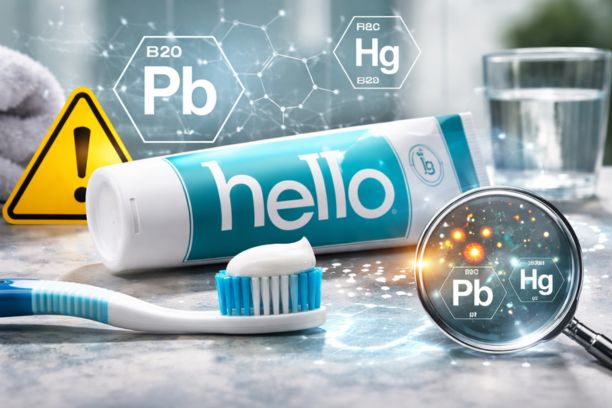
The Hello toothpaste lawsuit has sparked concern among parents and health-conscious consumers across the United States. In July 2025, a class action complaint was filed alleging that certain Hello brand toothpastes contain dangerous levels of heavy metals, including lead and mercury.
The lawsuit claims consumers were not warned about potential contamination and were led to believe the products were safe and natural. However, it is important to emphasize that these are allegations, and no court has yet determined liability.
This comprehensive guide explains:
- Who filed the lawsuit
- What products are involved
- The heavy metal testing claims
- The legal arguments
- Whether there is a recall
- What consumers should do next
Who Filed the Hello Toothpaste Lawsuit?
The case was filed by Damany Browne, a New York consumer, against Hello Products LLC.
The lawsuit was submitted in the U.S. District Court for the Southern District of New York, making it a federal case.
The plaintiff is represented by attorneys from Milberg Coleman Bryson Phillips Grossman PLLC, a firm known for handling consumer protection class actions.
The complaint seeks class action status on behalf of New York consumers who purchased the allegedly affected Hello toothpaste products.
What Are the Allegations?
At the heart of the Hello toothpaste lawsuit are claims that independent testing revealed elevated levels of lead and mercury in certain Hello Kids toothpaste products.
Heavy Metals Detected in Testing
The lawsuit references testing conducted by Lead Safe Mama, a consumer advocacy organization.
According to the complaint:
- Hello Kids Fluoride Free Toothpaste (Fresh Watermelon) allegedly tested at 493 parts per billion (ppb) of lead and 19 ppb of mercury
- Hello Kids Dragon Dazzle Fluoride Toothpaste allegedly tested at 428.4 ppb of lead and 11.8 ppb of mercury
These numbers were compared to the U.S. Environmental Protection Agency’s drinking water standards, which set maximum contaminant levels at:
- 15 ppb for lead
- 2 ppb for mercury
However, it is important to understand that drinking water standards do not automatically apply to toothpaste products. The legal argument centers on consumer expectations and disclosure rather than direct violation of water regulations.
Why Are Lead and Mercury Concerning?
Lead and mercury are heavy metals known to pose health risks at certain exposure levels.
Lead Exposure Risks
Lead exposure is particularly concerning in children because it can affect:
- Brain development
- Learning ability
- Behavior
- Nervous system function
Even small amounts of lead exposure over time may accumulate in the body.
Mercury Exposure Risks
Mercury, depending on its form, may affect:
- Nervous system function
- Cognitive development
- Kidney health
Because toothpaste is used daily and may be accidentally swallowed by children, the lawsuit argues that disclosure of any heavy metal presence is critical.
Which Hello Toothpaste Products Are Mentioned?
The lawsuit specifically references:
- Hello Kids Fluoride Free Toothpaste – Fresh Watermelon
- Hello Kids Dragon Dazzle Fluoride Toothpaste
It does not automatically mean all Hello toothpaste products are affected. The complaint focuses on the products allegedly tested.
Consumers should verify product labels and monitor official announcements for updates.
Legal Claims Explained
The Hello toothpaste lawsuit includes several legal claims under New York law.
1. Breach of Warranty
The plaintiff alleges that Hello Products sold toothpaste marketed as safe, healthy, and free from harmful substances, thereby creating an implied warranty. If heavy metals were present, the lawsuit argues that warranty may have been breached.
2. Failure to Warn
The complaint claims the company failed to disclose the potential presence of heavy metals on product packaging or marketing materials.
Failure-to-warn claims are common in consumer product litigation when plaintiffs argue they would not have purchased a product had they known certain information.
3. Violations of Consumer Protection Laws
The lawsuit alleges violations of New York’s consumer protection statutes, arguing that consumers were misled by product representations.
4. Class Action Certification
The plaintiff seeks certification of a class of New York purchasers. If certified, eligible consumers could potentially participate in any settlement or judgment.
Is There a Recall?
As of the latest update:
- No nationwide recall has been formally announced.
- No final court ruling has been issued.
- Regulatory agencies have not publicly confirmed enforcement action related to the allegations.
Consumers should monitor updates from the FDA and official court filings for changes in status.
Has the Company Responded?
At the time of filing, Hello Products LLC had not publicly admitted wrongdoing. Companies in similar cases typically deny allegations until evidence is reviewed in court.
Hello Products operates as an oral care brand and is associated with the consumer goods giant Colgate-Palmolive.
Corporate responses in litigation often emphasize product safety testing and compliance with regulatory standards.
How Strong Is the Case?
While the allegations are serious, several legal and scientific factors will likely shape the outcome:
1. Independent Testing vs Regulatory Testing
The lawsuit relies on third-party testing. Courts often examine:
- Testing methodology
- Laboratory accreditation
- Sample handling
- Reproducibility
2. Regulatory Threshold Comparisons
The comparison to drinking water standards may be legally debated. Toothpaste exposure differs from drinking water exposure in terms of:
- Frequency
- Quantity ingested
- Absorption rate
The plaintiff must show that the alleged levels present a meaningful risk and that consumers were misled.
3. Burden of Proof
In class action cases, plaintiffs must demonstrate:
- The product contained the alleged substances
- Consumers were misled
- Financial injury occurred
Until the court evaluates evidence, the allegations remain unproven.
Timeline of the Hello Toothpaste Lawsuit
July 11, 2025 – Lawsuit filed in federal court
Mid-2025 – Media reports circulate regarding heavy metal testing
Ongoing – Motions, potential responses, and possible class certification proceedings
Litigation timelines in federal class actions can extend for months or even years.
What Should Consumers Do?
Many parents are understandably concerned. Here are practical steps:
Should You Stop Using Hello Toothpaste?
If you are concerned, you may consider switching products until more information becomes available. However, there is currently no official recall order.
Consult your dentist or pediatrician for guidance specific to your situation.
Should You Test for Lead or Mercury?
If you are worried about exposure, speak with a healthcare professional. Blood testing is available for lead exposure, particularly in children.
Can You Join the Class Action?
If you purchased one of the allegedly affected products in New York, you may fall within the proposed class definition. However:
- The class has not yet been certified.
- No settlement has been approved.
- Claims cannot be filed unless certification occurs.
Monitor court updates for developments.
Keep Proof of Purchase
If you believe you may qualify in the future:
- Save receipts
- Photograph product packaging
- Document purchase dates
These steps may help if compensation becomes available later.
Is Hello Toothpaste Safe?
At this stage, the lawsuit contains allegations, not court findings.
Product safety determinations require:
- Verified lab testing
- Regulatory review
- Court analysis of evidence
Consumers should rely on official sources, including regulatory agencies and court records, for updates.
Frequently Asked Questions (FAQs)
Is Hello toothpaste being recalled?
As of now, there is no official nationwide recall announcement related to the lawsuit allegations.
Does Hello toothpaste contain lead?
The lawsuit alleges that certain Hello Kids products tested positive for lead. These claims are being litigated and have not yet been proven in court.
How much lead was allegedly found?
According to the complaint, one product allegedly tested at 493 ppb of lead. This figure comes from independent testing referenced in the lawsuit.
Can I join the Hello toothpaste lawsuit?
Only New York purchasers are currently included in the proposed class. Certification must occur before any settlement or compensation becomes available.
Is Hello toothpaste safe for children?
No court has determined that the products are unsafe. Consumers should consult healthcare professionals if concerned.
What This Lawsuit Means for Consumers
The Hello toothpaste lawsuit highlights a broader issue in consumer goods litigation: transparency.
Modern consumers expect:
- Clear labeling
- Accurate marketing
- Full disclosure of potential contaminants
Whether the plaintiff ultimately proves the allegations remains to be seen. Federal class actions require rigorous evidence and can take significant time to resolve.
For now, the case serves as a reminder for consumers to:
- Stay informed
- Monitor official updates
- Consult medical professionals when concerned
- Avoid drawing conclusions before a court ruling
As the litigation proceeds, updates may clarify whether the alleged heavy metal levels reflect testing anomalies, manufacturing issues, or regulatory misunderstandings.
Until then, the allegations remain claims before a federal court — not final findings of wrongdoing.