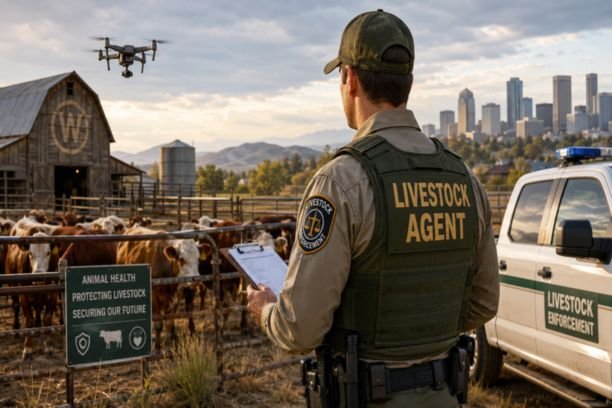
Livestock law enforcement is a critical yet often overlooked part of the U.S. agricultural system. Livestock agents are specialized officers tasked with protecting animal health, preventing theft, and enforcing vital agriculture-related regulations. Their work ensures both animal welfare and food supply chain integrity across rural ranchlands and urban farms alike.
But which states actually have livestock agents with law enforcement authority? How do these roles vary across different environments? And what does the future of this field look like?
This guide provides a clear and detailed look at livestock agent law enforcement in the U.S., helping ranchers, producers, and agriculture professionals stay informed.
What Is a Livestock Agent?
A livestock agent is a professional—often a certified peace officer—who enforces state and federal laws related to animal agriculture. These agents investigate crimes such as livestock theft, abuse, illegal transport, and disease outbreaks, often operating under a state agriculture or livestock board.
Core Responsibilities:
- Investigating livestock theft, fraud, or smuggling
- Conducting animal welfare and biosecurity inspections
- Issuing permits, citations, and quarantine orders
- Supporting disease outbreak response and emergency protocols
- Collaborating with law enforcement and veterinary experts
- Educating producers on legal compliance and best practices
Many livestock agents hold commissioned law enforcement authority, making them legally empowered to arrest suspects and file charges when necessary.
U.S. States with Livestock Law Enforcement
Several states have formal livestock law enforcement programs, often embedded within agricultural or brand inspection departments.
| State | Enforcement Agency / Program | Type of Law Enforcement Authority |
|---|---|---|
| Texas | Texas & Southwestern Cattle Raisers Association (TSCRA) Special Rangers | Commissioned Peace Officers (Special Rangers) |
| Oklahoma | Oklahoma Department of Agriculture, Investigative Services | CLEET-Certified Peace Officers |
| Montana | Montana Department of Livestock – Brands Enforcement Division | State-Certified Peace Officers |
| Colorado | Colorado Brand Inspection Division | Statutory Peace Officers under Colorado law |
| Wyoming | Wyoming Livestock Board – Law Enforcement Division | Certified Law Enforcement Officers |
| Nebraska | Nebraska Brand Committee | Deputy State Sheriffs (Certified Investigators) |
| New Mexico | New Mexico Livestock Board | Collaborates with Law Enforcement; Regulatory Officers |
| Utah | Utah Dept. of Agriculture – Animal Industry Division | Investigative Role; Limited Sworn Authority |
Pro Tip: If you’re a livestock producer, connect with your state’s livestock enforcement agency for resources, compliance support, and theft prevention strategies.
Enforcement in Rural Areas
In rural states where livestock is central to the economy, agents often face unique enforcement conditions.
Key Rural Challenges:
- Massive coverage areas with limited road access
- Traditional practices that may conflict with modern laws
- Resource shortages: Few vets, inspectors, or education programs
How Agents Respond:
- Using drones, GPS tracking, and mobile apps for inspections
- Conducting outreach through cooperative extension services
- Hosting training events with ranching associations
In these areas, agents are often seen as both enforcers and educators, helping farmers adopt legal and ethical animal care practices.
Enforcement in Urban & Suburban Areas
Urban livestock operations—such as backyard chickens or goats—are growing, but they bring legal and logistical complexities.
Urban Agent Focus:
- Zoning compliance and nuisance complaints
- Preventing disease spread in dense areas
- Educating homesteaders about local livestock ordinances
Agents must collaborate with:
- Zoning boards
- Environmental health departments
- Animal control units
Urban enforcement requires a balance between education and regulation, ensuring animal welfare without disrupting neighborhoods.
Challenges Faced by Livestock Law Enforcement
Livestock agents face multifaceted obstacles, including:
- Understaffing and lack of funding
- Wide variability in farm sizes and practices
- Language and cultural barriers with producers
- Adapting to new technologies and regulations
They must stay informed, adaptable, and connected across both legal and agricultural domains.
Coordination with Other Agencies
Effective livestock law enforcement requires interagency collaboration at every level.