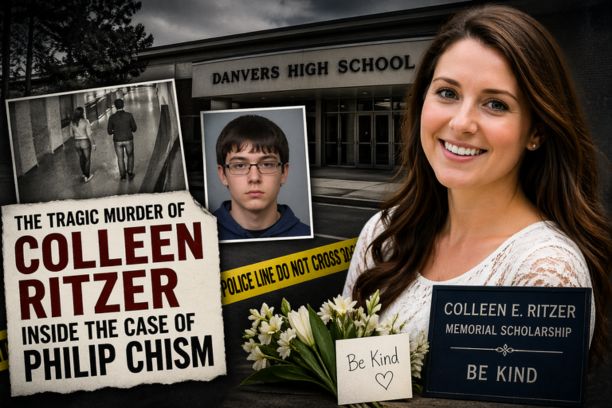
Colleen Ritzer Murder Case: What Happened, Autopsy Details, Motive & Philip Chism Trial Explained
In October 2013, a devastating crime shook the quiet community of Danvers, Massachusetts. The tragic death of beloved teacher Colleen Ritzer at the hands of her 14-year-old student Philip Chism stunned the nation and sparked intense debates about juvenile justice, mental health, and school safety.
This in-depth, SEO-optimized guide explains what happened to Colleen Ritzer, explores the autopsy findings, motive, and investigation, and breaks down the Philip Chism trial and its lasting legal impact.
Who Was Colleen Ritzer?
Colleen Ritzer was a 24-year-old high school math teacher at Danvers High School. Known for her warmth, patience, and enthusiasm, she was deeply admired by both students and colleagues.
She was more than just an educator—she was a mentor, a role model, and a positive force in her community. Friends described her as compassionate, energetic, and dedicated to helping students succeed.
Key Facts:
- Age: 24
- Profession: Math Teacher
- School: Danvers High School
- Personality: Kind, optimistic, and student-focused
Many online searches ask about “Colleen Ritzer husband.” To clarify: she was not married at the time of her death.
Her loss left a profound impact not only on her family but on the entire community, which continues to honor her legacy through acts of kindness and remembrance.
What Happened to Colleen Ritzer?
On October 22, 2013, what began as a normal school day ended in tragedy.
After classes ended, Colleen Ritzer stayed behind to help students—including Philip Chism, a quiet freshman who had recently moved from Tennessee.
What followed was a brutal crime that unfolded inside the school building.
Ritzer was attacked inside a school restroom. The incident was later reconstructed through surveillance footage, forensic evidence, and witness accounts.
Her body was later discovered in a wooded area near the school, confirming that she had been murdered in a deeply disturbing act that shocked the nation.
Colleen Ritzer Disappearance & Investigation
The case quickly transitioned from a missing person investigation to a homicide case.
When Colleen Ritzer did not return home that evening, concern grew rapidly. At the same time, Philip Chism was also reported missing by his family.
Law enforcement began piecing together evidence using:
- School surveillance footage
- Witness testimonies
- Physical evidence
Security cameras played a crucial role. They captured key moments that helped investigators reconstruct the timeline and identify the suspect.
Within hours, authorities began connecting Philip Chism to the crime, leading to one of the fastest investigative breakthroughs in a school-related homicide case.
Timeline of Events (October 22, 2013)
Here’s a clear breakdown of what happened:
- ~2:30 PM: Colleen Ritzer is seen leaving her classroom with Philip Chism
- Shortly after: Both enter a school restroom
- Moments later: Another student enters and quickly exits, noticing suspicious behavior
- Later: Chism is seen leaving alone
- Soon after: He returns with a recycling bin
- Afternoon: He is seen wheeling the bin out toward nearby woods
- Evening: Ritzer is reported missing
- Night: Her body is discovered in the wooded area
This timeline became a cornerstone of the prosecution’s case.
Who Is Philip Chism?
Philip Chism was a 14-year-old freshman at the time of the crime.
Originally from Tennessee, he had recently moved to Massachusetts with his family. Described as quiet and reserved, he did not initially raise concerns among peers or teachers.
Background Details:
- Age at time of crime: 14
- Recently relocated
- No major prior criminal record
Searches related to “Philip Chism family” reflect public curiosity, but little verified information suggests direct involvement or warning signs from his family environment.
Why Did Philip Chism Kill Colleen Ritzer? (Motive Explained)
One of the most searched questions is: “Why did Philip Chism kill Colleen Ritzer?”
The reality is complex—and somewhat unresolved.
Prosecution’s Argument:
- The attack was premeditated
- Evidence showed planning and attempts to conceal the crime
Defense Argument:
- Chism suffered from severe mental illness
- He allegedly experienced hallucinations
- His ability to control his actions was impaired
Key Insight:
Despite extensive investigation, a clear, universally accepted motive was never definitively established.
This ambiguity continues to fuel public interest and debate.
Philip Chism Trial & Interrogation
The trial of Philip Chism was one of the most closely followed juvenile cases in the United States.
Key Evidence:
- Surveillance footage
- Physical evidence linking him to the crime
- Items belonging to Colleen Ritzer found in his possession
Interrogation Insights:
During questioning, Chism reportedly gave limited explanations, which further complicated understanding his motive.
Charges:
- First-degree murder
- Aggravated rape
- Armed robbery
The prosecution built a strong case demonstrating intent and actions, while the defense focused heavily on mental health.
Colleen Ritzer Autopsy Report & Cause of Death
Searches for “Colleen Ritzer autopsy report” and “how did Colleen Ritzer die” are among the most common.
Cause of Death:
The official cause of death was fatal injuries inflicted during the attack, including a severe wound to the throat.
Autopsy Findings:
- Confirmed the violent nature of the attack
- Provided forensic evidence used in trial
- Helped establish timeline and sequence of events
It’s important to present these details respectfully. The findings were critical in securing a conviction but also underscored the brutality of the crime.
Verdict and Sentencing
In December 2015, the jury reached a verdict:
Philip Chism was found guilty on all major charges, including:
- First-degree murder
- Aggravated rape
- Armed robbery
Sentencing:
Because he was a juvenile:
- Life in prison with possibility of parole after 40 years
This sentencing reflected U.S. Supreme Court rulings that limit life-without-parole sentences for minors.
Legal Impact & Juvenile Justice Debate
The case became a landmark example in discussions about juvenile justice.
Key Legal Issues:
- Should juveniles be tried as adults in severe crimes?
- How should mental illness affect criminal responsibility?
- What role should rehabilitation play?
The case reinforced legal precedents emphasizing:
- Rehabilitation potential
- Constitutional protections for minors
Philip Chism Family & Background
Public curiosity around “Philip Chism family” remains high.
However, verified reports indicate:
- His family cooperated with authorities
- No clear evidence of prior violent behavior
The focus remained primarily on Chism’s psychological condition rather than his family background.
Community Response & Colleen Ritzer Legacy
The loss of Colleen Ritzer deeply impacted the Danvers community.
Thousands attended vigils and memorials to honor her life.
Legacy Highlights:
- Creation of the Colleen E. Ritzer Memorial Scholarship
- Widespread adoption of her message: “Be Kind”
- Continued remembrance in schools and communities
Her story continues to inspire compassion, empathy, and awareness.
FAQs
What happened to Colleen Ritzer?
She was murdered by her student Philip Chism inside her school in 2013.
How did Colleen Ritzer die?
She died from fatal injuries inflicted during a violent attack.
What was Philip Chism’s motive?
No clear motive was definitively established; mental illness was a key factor in the defense.
Is Philip Chism still in prison?
Yes, he is serving a life sentence with parole eligibility after 40 years.
What did the autopsy reveal?
It confirmed the cause of death and provided critical forensic evidence.
Was Colleen Ritzer married?
No, she was not married at the time of her death.
What evidence was used in the trial?
Surveillance footage, forensic evidence, and recovered belongings.
Key Takeaways
- The Colleen Ritzer case remains one of the most shocking school crimes in recent history
- Philip Chism was convicted despite debates over mental health
- The case reshaped discussions on juvenile sentencing
- Ritzer’s legacy continues through kindness and community initiatives
Conclusion
The tragic death of Colleen Ritzer is a sobering reminder of how quickly lives can change and how deeply communities can be affected by violence.
While the legal system delivered a verdict, the emotional and societal impact continues to resonate. This case stands at the intersection of law, psychology, and education—raising critical questions about prevention, responsibility, and justice.
Above all, Colleen Ritzer’s legacy lives on—not in the tragedy of her death, but in the enduring message she left behind: Be Kind.