Iran Burns Effigies With U.S. and Israeli Symbols as Epstein Files Resurface and War Fears Rise
Tehran | Updated: February 2026
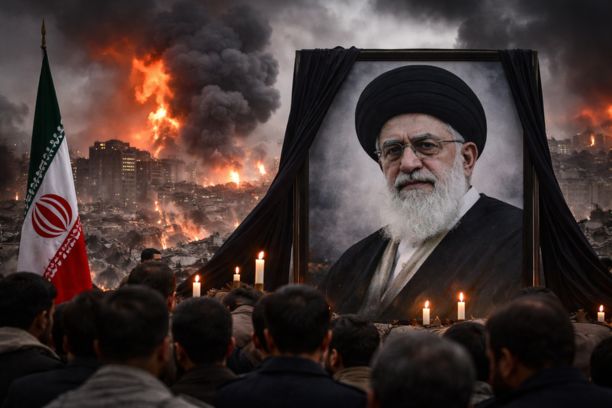
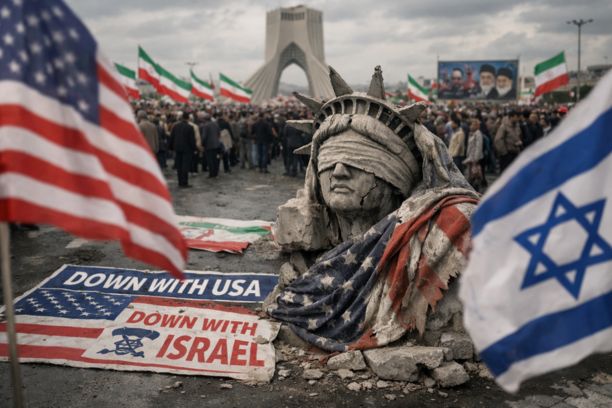
Public protests have erupted across Iran, where demonstrators burned symbolic effigies featuring U.S. and Israeli imagery amid escalating regional tensions and renewed global attention on the Jeffrey Epstein case.
Videos widely shared on social media show crowds in Tehran and other Iranian cities setting fire to statues associated with an ancient Middle Eastern deity known as Baal. The effigies were displayed alongside the flags of Israel and the United States, as well as images of former U.S. President Donald Trump. In several demonstrations, the Star of David was also visibly attached to the structures before they were burned.
Iranian state-linked media framed the protests as expressions of resistance against perceived Western aggression.
Protests Mark Islamic Revolution Anniversary Amid Heightened Tensions
The demonstrations coincide with Iran’s observance of the 47th anniversary of the 1979 Islamic Revolution, a date traditionally marked by large public rallies and anti-Western messaging.
This year’s events have taken place against the backdrop of increased geopolitical anxiety, as reports of U.S. military movements in the Middle East circulate widely. Defense analysts note that aircraft carriers and air assets in the region have increased concerns within Iran about a potential surprise strike, though no official confirmation of imminent military action has been issued by Washington or Tel Aviv.
Iranian officials have repeatedly warned that any direct attack on Iranian territory would provoke a strong response.
Epstein Files Resurface in Iranian Political Messaging
The protests also reflect renewed global scrutiny of documents linked to Jeffrey Epstein, following the partial release of additional court filings and emails in the United States.
Demonstration sites featured posters and images referencing Epstein, with Iranian commentators drawing symbolic connections between Epstein, Western political elites, and what they describe as moral corruption in global power centers. Some emails circulating online have raised questions about Epstein’s financial networks and associations, although many records remain heavily redacted.
Legal experts in the U.S. have emphasized that while Epstein’s criminal activity is well-documented, many claims involving high-profile individuals have not been proven in court.
Allegations Circulating in U.S. Political Debate
In recent weeks, U.S. congressional discussions and public statements by lawmakers have reignited debate around Epstein’s past connections. Clips from hearings and interviews have gone viral internationally, including in Iran, where they have been used to reinforce anti-U.S. narratives.
While allegations involving political figures continue to be discussed in the American media landscape, no new criminal convictions have emerged from the recently released documents. U.S. authorities have confirmed that significant portions of the Epstein files remain sealed or redacted due to legal and privacy considerations.
Iran Fortifies Nuclear Sites as Precautionary Measure
At the same time, satellite imagery analyzed by regional security experts suggests Iran has intensified defensive construction at several nuclear facilities. Analysts say additional layers of reinforced concrete and underground protection appear to have been added in recent months.
Iran has previously taken similar measures during periods of heightened regional tension, particularly following threats of military action against its nuclear program. Tehran maintains that its nuclear activities are for peaceful purposes, a claim disputed by Israel and some Western governments.
Symbolism and Psychological Messaging
Middle East analysts describe the effigy burnings as a form of psychological and political signaling rather than an indication of immediate military escalation. The combination of U.S., Israeli, and Epstein-related imagery is seen as a deliberate attempt to frame Iran’s adversaries as morally corrupt and hostile forces.
“These demonstrations are designed to send a message domestically and internationally,” said a regional analyst. “They reinforce a narrative of resistance at a time when Iranians believe the country is under external pressure.”
What Comes Next
While tensions remain high, there is no official indication of an imminent conflict. Diplomats and military observers continue to monitor developments closely, warning that miscalculations could rapidly escalate into a broader confrontation.
If the United States or Israel were to carry out direct military action against Iran, experts say it would represent one of the most serious escalations in the Middle East in decades.